
The United States Olympic and Paralympic Committee sent out an email asking athletes to support the Protect College Sports Act (PCSA). It is being marketed as a way to protect college sports, but the real question should be: who is protecting the athletes?
Without athletes, there is no sport.
Giving absolute power to a centralized institution feels more like an economic cartel than fair competition. And it will be the athletes who pay the price.

I PLAYED IN THE NFL. WE DON’T WANT WASHINGTON TRYING TO FIX COLLEGE SPORTS
Fair competition is what makes sport great. The PCSA gives the National Collegiate Athletic Association (NCAA) complete control over who gets to compete. Is that fair to the athletes and fans who pay to watch and participate?
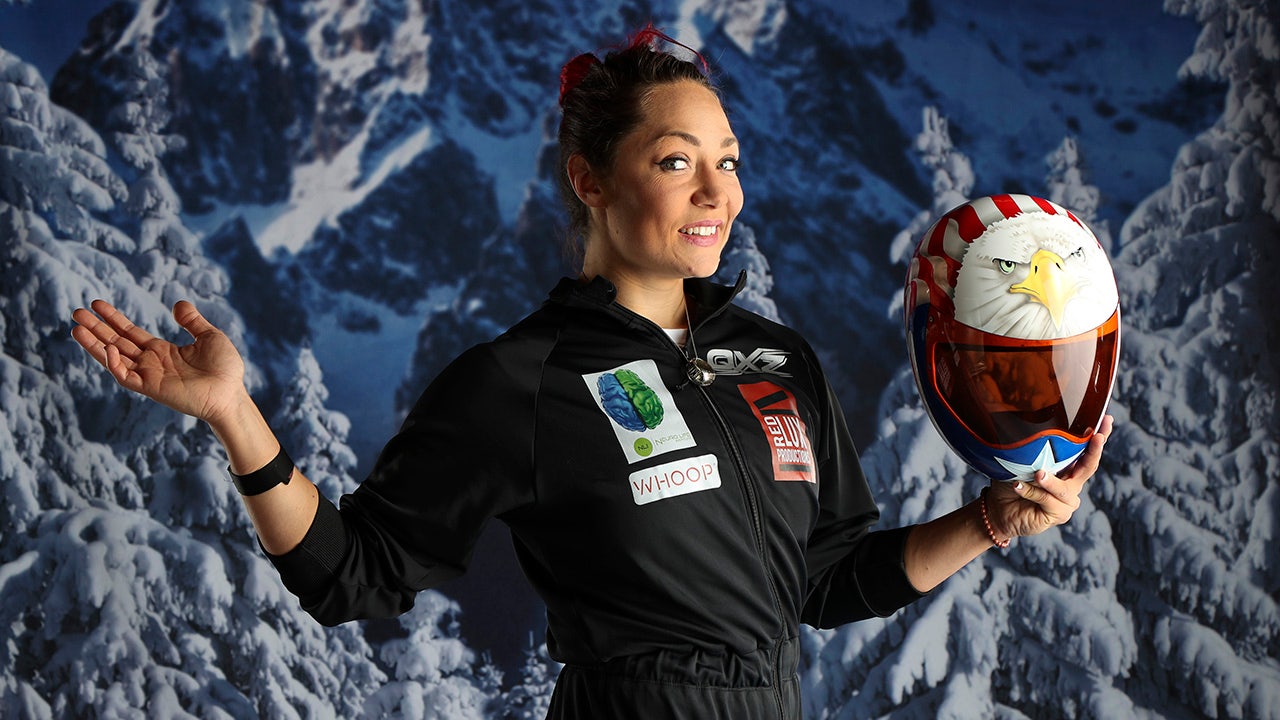
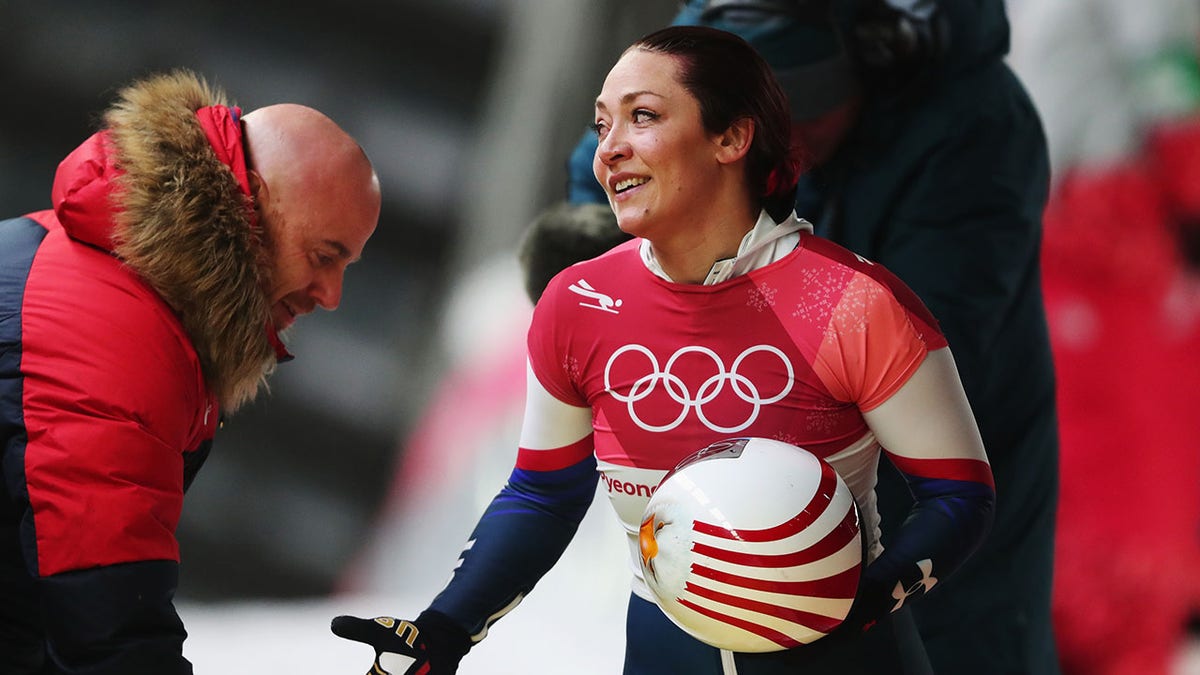
As a five-time Olympian, I have spent more than two decades competing in a system that promised fair competition and athlete protection. Like every athlete, I trusted those institutions to uphold the integrity of sport. Too often, they haven’t.
ZERO BS. JUST DAKICH. TAKE THE DON’T @ ME PODCAST ON THE ROAD. DOWNLOAD NOW!
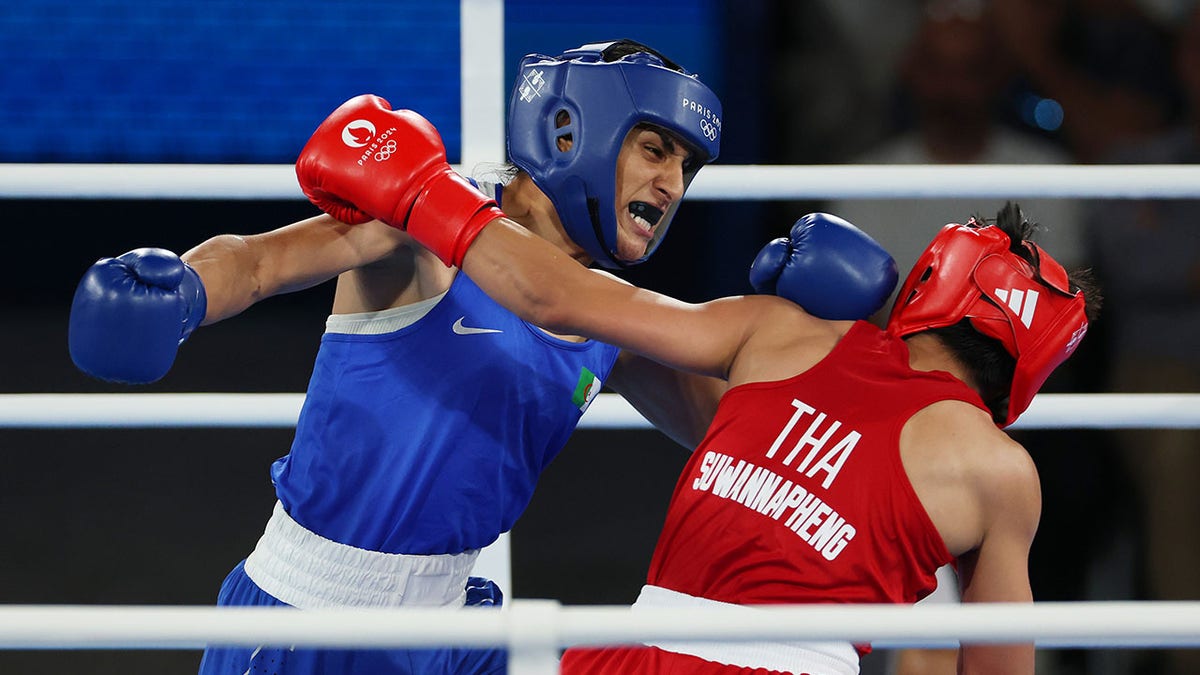
In 2014, Russia was proven to have cheated in the Sochi Olympic Games. I was awarded an Olympic medal on paper, only to have mine – and 27 others – returned to Russia through a flawed arbitration process. Leading into the 2026 Olympics, an independent tribunal found that Canada intentionally manipulated Olympic qualification points, yet nothing was done. Most have heard of the Larry Nassar scandal, where the USOPC and NCAA failed to protect athletes despite years of complaints. Not to mention the recent controversy surrounding Imane Khelif, an Olympic boxer classified as having Difference of Sex Development (DSD). Khelif reportedly has XY chromosomes, but won women’s gold at the Paris Olympics, raising questions about competitive integrity and institutional accountability.
These are different scandals with different players, but they reveal the same pattern: justice delayed and justice denied. Congress is considering granting the NCAA a federal antitrust exemption, in exchange for the NCAA promising to regulate itself. But what has the NCAA done to demonstrate that it is capable of policing itself? Today, the NCAA and its member universities have more than 260 open Title IX investigations involving the mishandling of sexual assault and misconduct. Congress and the Supreme Court have repeatedly been forced to intervene because the NCAA has failed to self-regulate. Why should we believe that giving the NCAA more power and legal protection would suddenly produce a different result? More importantly, how does this protect athletes?
The PCSA would ultimately strip athletes of the ability to challenge the NCAA and allow the organization to define what constitutes “reasonable” action to prevent abuse. Institutions that have failed to protect athletes should not receive additional legal protections and more power. Giving more power without meaningful accountability creates a dangerous imbalance. History shows that power imbalances lead to abuse, which is why antitrust laws exist.
Without the private right to challenge these institutions and their policies, athletes are left vulnerable to scandal. The more than 260 open Title IX cases involving sexual assault and misconduct would be neutralized with this act passing, leaving institutions without accountability, and athletes harmed. The act grants collective media rights to schools that join, allowing those currently facing Title IX non-compliance claims to remain non-compliant with no oversight of compliance, and the athletes who challenged them without power.
This shifts the focus from proactively preventing abuse to bureaucratic box-checking designed to block lawsuits; not protecting athletes.
The consequences extend beyond abuse prevention. The act grants the NCAA absolute control over athlete eligibility through this antitrust shield, undermining federal and state law, specifically Title IX and who can compete in the women’s category. The NCAA can now determine eligibility rules with no accountability, no oversight on compliance, and no input from the states or athletes. This means current abuse goes unpunished, and that the NCAA can also allow men to compete in women’s sports again.
The current NCAA policies define gender as an identity, do not define sex, and only require a birth certificate as proof of being male or female. Forty-four states currently allow birth certificates to be amended, and there is no oversight or verification of these documents. Male athletes who identify as female still earn scholarships, use women’s locker rooms, and play and compete on women’s teams. The 27 states that have chosen to recognize biological women as a protected class could do nothing to stop men from taking women’s spots on college sports teams.
The act may create stability for the NCAA and protect it from lawsuits, but stability without accountability has historically led to scandal and abuse of power. The Olympic system has faced this pattern repeatedly.
Women have spent more than 50 years fighting for equal opportunity and legal protections. Title IX is a symbol of that progress. Congress should not weaken those protections by passing this bill as it is currently written.
Our Constitution was built on the expectation that citizens would exercise their freedom of speech, stand up for what they believe in, and help shape public policy. Any public policy that removes a citizen’s ability to advocate for themselves is un-American. And in this case, the proposed policy is simply a proposal to hand financial wins to the elite governing class while guaranteeing generations of sexual, physical, and economic abuse of the athletes.
I’ve lived through the system of internal arbitration, athlete board representation, and ombudsman programs, and they often create conflicts of interest while essentially just protecting the organization from meaningful accountability. Because these are internal systems that exist with an inherent imbalance of power, they almost always digress into tools to prevent disruption of the economic system. Athletes are told that policies will be changed for future generations, giving their own suffering some meaning. But these promises don’t restore lost opportunities, protect those already harmed, or deliver justice. They delay accountability while athletes continue to bear the consequences. Justice delayed is justice denied.
Stability without accountability is not protection.
It’s exploitation.
Read the full article here