


A United States Department of Agriculture facility has opened up to combat the New World screwworm parasite infecting animals in Mexico and the US. The facility will produce millions of sterile flies to combat the screwworm.
The USDA invested about $21 million to renovate and convert an existing fruit fly facility in Metapa, Mexico. Agriculture Secretary Brooke Rollins said construction began about 11 months ago. While the site is not yet fully complete, officials expect it to begin producing 30 million sterile flies by mid-July.
“The more sterile flies we produce and deploy, the faster we can suppress and ultimately eradicate this devastating pest,” Rollins wrote in a post on X.

The US confirmed its first screwworm case in a calf on June 3rd of this year. Since then, there have been 15 more cases.
US Screwworm Cases At 16
According to a report by News Nation Now, lawmakers estimate a widespread outbreak could cost Texas livestock producers about $732 million annually and lead to total economic losses of up to $1.8 billion per year statewide.
Is The Screwworm A Problem For The Meat Supply?
As Screwworm Spreads, USDA Partners With DHS Attempting To Control It
The USDA is deploying sterile insect technique (SIT) releases, establishing containment zones, and using sniffer dogs to halt the spread.
The U.S. successfully eradicated the screwworm in the 1960s using the SIT, but the parasite remains endemic in parts of South America and the Caribbean, posing a continuous reintroduction risk. The spread into the US is worrying economists and farmers alike.
Grocery shoppers could get hit with higher prices if the screwworm cases turn into a full-blown outbreak. That could cost $3 billion across the Southwest, according to a report by the Federal Reserve Bank of Dallas.
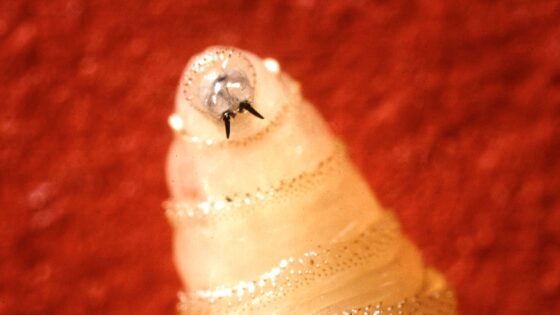
According to a Texas A&M AgriLife Extension report, the name screwworm refers to the feeding behavior exhibited by the maggots as they burrow (screw) into an animal’s open wound. These maggots and their feeding cause extensive damage by tearing at the hosts’ tissue with sharp mouth hooks. The wound will become larger and deeper as more and more eggs hatch and larvae feed on the living tissue. This results in serious and often deadly damage to the animal if not discovered and treated.
The US appears to be making attempts to combat the screwworm, but it may still spread until these sterile flies can be released. Even then, it’s hard to say how long this flesh-eating parasite will impact farmers and their livestock.
Read the full article here