
The Navy’s top admiral says the service is changing how it does pre-deployment stocking and resupply and looking at different places to make port calls, including on the African continent, after the carrier Lincoln’s punishing 270-day deployment.
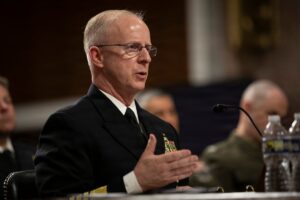
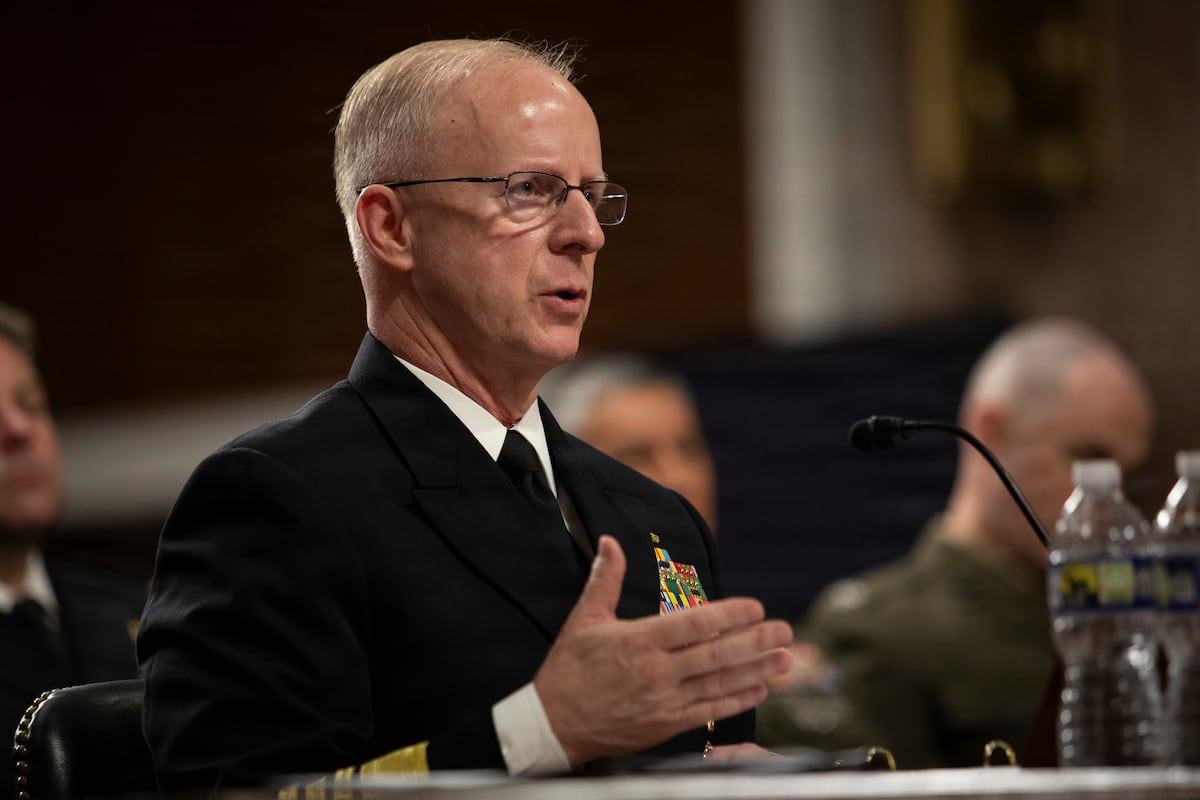
Speaking to reporters in Norfolk, Virginia, on Wednesday, Chief of Naval Operations Adm. Daryl Caudle acknowledged that the carrier faced problems with resupply during its 250 days without a port visit, though he didn’t fully confirm individual accounts and photographs showing mostly-empty trays of food in the mess decks.

“This is typically not about whether or not there’s protein and whether or not there’s the right amount of starches, the right amount of green vegetables, that are coming,” Caudle said. “This is really about the things that sailors expect that are above and beyond that. These are, you know, the kind of ship store items that we do to try to make this right. These are, you know, Monster drinks and hygiene products and Starbucks coffee.”
In addition to accounts of scant rations and deteriorating mental health onboard the Lincoln, with at least two reported suicide attempts, sailors and families have spoken out about severe shortages of basic hygiene products, including soap and toothpaste. Navy officials have said resupply had to be prioritized, with hygiene products taking a backseat to food, as the deployment continued.
“It’s a fair critique that there were some puts and takes at the beginning of Epic Fury until we got [resupply] dialed in,” Caudle said Wednesday, using the name the Pentagon has given to the Iran conflict. “I think we’re in a good place with that now.”
Logistical hurdles remain, including the destruction of Naval Support Activity Bahrain, a main supply hub for the Navy in the Middle East, at the start of the conflict. Caudle did not detail how the Navy was overcoming structural resupply challenges, but said efforts were underway to prepare the carrier Theodore Roosevelt for its next deployment, likely to the region, later this fall.
“We are working to get into that strike group’s pre-deployment, from briefs to stockpiling things that are part of the ship store to making sure parts support is at its highest for the air wing as well as ship’s force equipment,” Caudle said, adding that sailors and their families were getting advance briefs on what they should expect during the deployment.
He said he was working with Vice Adm. Curt Renshaw, the commander of the Fifth Fleet, to determine potential port calls in locations less vulnerable to attack from Iran, naming Kenya, the island Diego Garcia in the Indian Ocean, and India itself as possibilities. Caudle acknowledged, though, that all of these farther-out locations come with a “transit tax” in time off-station and resources expended to get there and back.
“I’ve got to work very carefully with the Fifth Fleet commander to go do that and make sure that there’s an understanding of the forecast and combat operations to allow something like that to be done,” he said. ” [U.S. Central Command Commander] Adm. [Brad] Cooper wants to work with me on this. He understands what we’re asking of our Navy … I’m confident that what we’ve learned from Abe, that I can apply, to do that more effectively as other carrier strike groups move into the theater.”
Caudle also indicated he was hopeful that better communication around deployment extensions could prevent some of the anger and desperation that military families expressed over Lincoln’s seemingly interminable deployment. He described seeking greater “risk-sharing” between the Navy and Cooper, the combatant commander, to deliver more clarity on expectations.
“The families, [when] they don’t see any endpoint in mind, so they can plan their own lives, I think that creates a lot of stress for sailors,” he said. “If I can get the actual extension and when we’re coming home a little bit more defined, I think that relieves a lot of tension that I think that sailors experience.”
Read the full article here